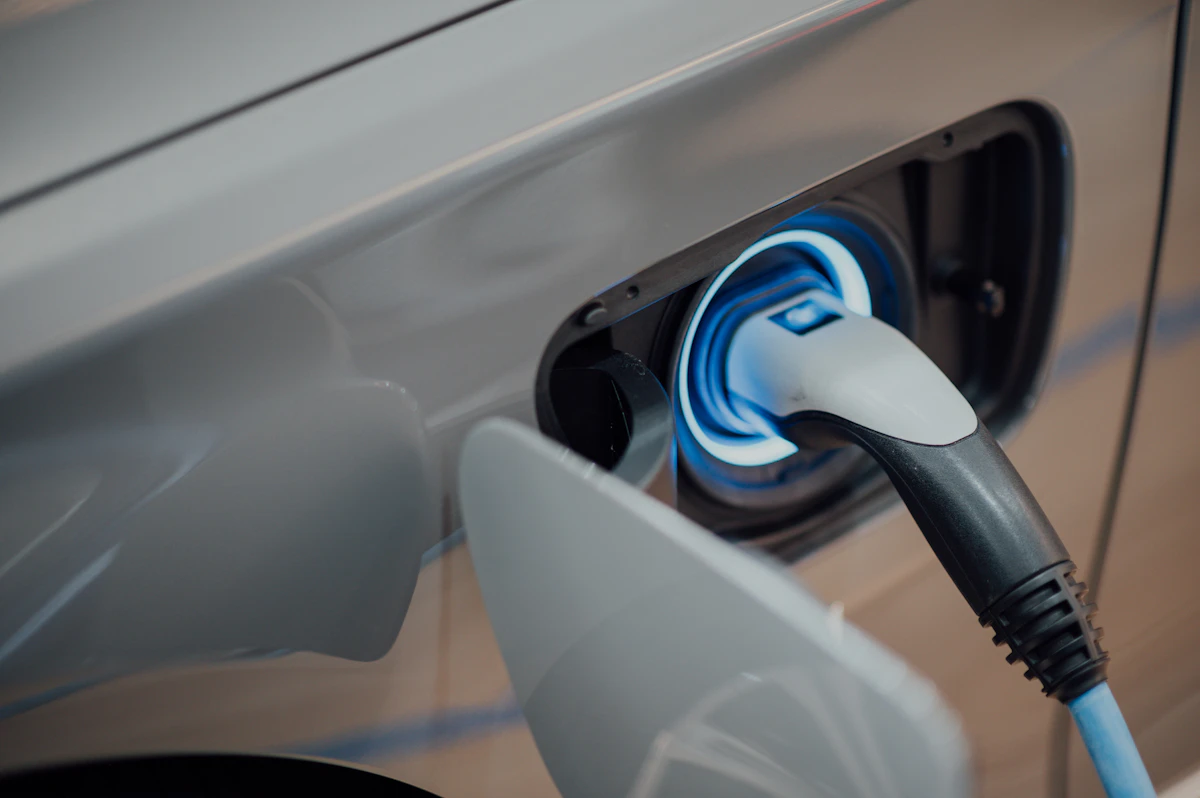
The Smart Buyer's Guide to Used Electric Vehicles: Battery Health, Range, and What to Actually Check
Thinking about buying a used electric vehicle? You’re not alone. As more drivers make the switch, the used EV market is booming — but this new frontier of car ownership brings a new set of questions. How do you know if the battery is still in good shape? What real-world range can you expect? And are there hidden problems you should watch for? This guide walks you through everything you need to know to find a great deal on a used EV and avoid the lemons.
The Elephant in the Room: EV Battery Health
Let’s address the biggest concern for most used EV buyers: the battery. It’s the car’s most expensive component, and its health directly determines range and performance. The good news is that modern EV batteries are designed to last — large industry studies of tens of thousands of electric vehicles suggest average degradation of only around 2% per year. That said, climate, charging habits, and mileage all affect battery longevity, so no two used EVs age the same way.
How to Assess Battery Health
You can’t see the battery’s condition, but a few simple checks give you a solid read on its health:
- Check the range estimate. With the car fully charged, compare the displayed range to the EPA’s original estimate for that model year. A significant drop can indicate battery degradation.
- Take a thorough test drive. Drive in varied conditions, including highway speeds, and watch how the range estimate holds up. Aggressive driving drains the battery faster, but a healthy pack should still deliver a reasonable share of its rated range.
- Get a professional inspection. For real peace of mind, have a qualified EV mechanic run a battery health diagnostic. You’ll get a detailed report on the pack’s capacity and condition — money well spent on the most expensive part of the car.
Decoding Range and Charging
Range anxiety is a real concern for prospective EV buyers. The EPA publishes official range estimates, but your actual mileage will vary with driving style, terrain, and weather. Cold weather in particular can cut an EV’s range by as much as 40%.
Understanding Charging Levels
Charging an EV is nothing like filling a gas tank. There are three main levels:
| Charging Level | Voltage | Range Added |
|---|---|---|
| Level 1 | 120V (standard outlet) | 2–5 miles per hour of charging |
| Level 2 | 240V (like an electric dryer) | 10–60 miles per hour of charging |
| DC Fast Charging | 480V+ | 60–200 miles in 20–30 minutes |
Most EV owners do the bulk of their charging at home on a Level 2 charger. DC fast charging is great for road trips, but frequent use can accelerate battery degradation — another reason to ask the seller about their charging habits.
Don’t Forget the Tax Credits
One of the biggest perks of buying a used EV is the potential for a meaningful tax credit. The federal Used Clean Vehicle Credit can save you up to $4,000 if the vehicle qualifies:
- The sale price must be $25,000 or less.
- The model year must be at least two years older than the current calendar year.
- The vehicle must be purchased from a licensed dealer.
Buyer income limits also apply, so check the IRS website for the latest requirements. Many states and local utilities layer on their own incentives for EV ownership — a little research on what’s available in your area can shave hundreds or thousands more off your true cost.
Top Used EV Models to Consider
With so many used EVs on the market, it helps to start with proven performers. Here are three strong choices based on reliability, range, and overall value:
| Model | Average Used Price | EPA Range (Original) | Why It Stands Out |
|---|---|---|---|
| Nissan Leaf | $10,000–$20,000 | 150–226 miles | Affordable, reliable, and widely available — a great entry-level EV |
| Chevrolet Bolt EV | $15,000–$25,000 | 259 miles | Excellent range for the price, spacious interior, fun to drive |
| Tesla Model 3 | $20,000–$35,000 | 220–358 miles | Sleek design, strong performance, access to the Supercharger network |
Your Smart EV Buying Journey
Buying a used electric vehicle doesn’t have to be a gamble. Do your homework, know what to look for, and you can land a reliable, affordable EV that fits your life. Remember the key takeaways:
- Battery health is king. Always verify the pack’s condition before you buy.
- Range is relative. Understand what affects real-world range and choose a car that comfortably covers your daily driving.
- Don’t leave money on the table. Stack federal, state, and utility incentives to lower your true cost.
Check the deal before you commit. Paste the VIN, mileage, and asking price into Carmadeal and get a 0–100 score with a clear Buy / Negotiate / Inspect / Pass verdict — free.
With the right knowledge and tools, you can navigate the used EV market with confidence and find the perfect car for you. Happy driving!


