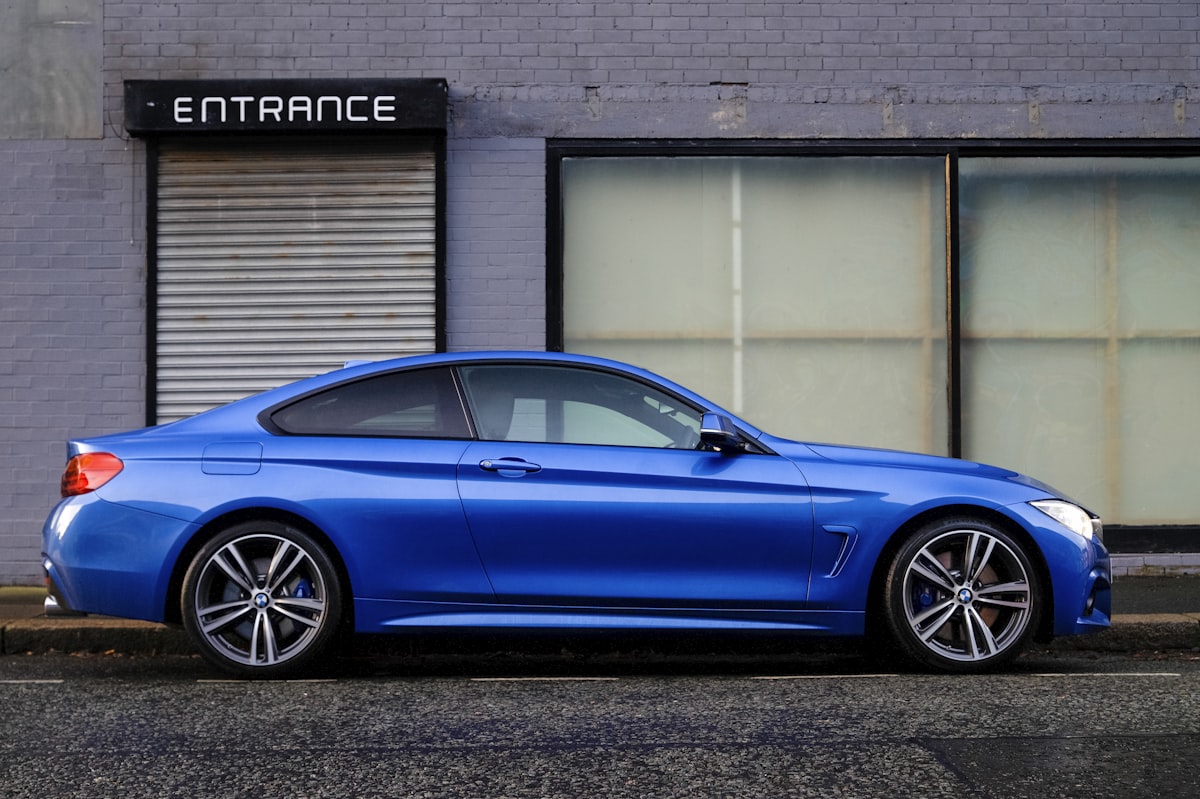
Private Seller vs. Dealership: Pros and Cons for Used Car Buyers
Buying a used car comes with one of the biggest early decisions you’ll make: should you buy from a private seller or a dealership? Both routes can land you a great vehicle — and both can trip you up if you’re not prepared. Here’s how to decide which path fits your budget, timeline, and risk tolerance, plus practical tips to protect your wallet along the way.
Buying from a Private Seller: Pros, Cons, and When It Makes Sense
Private sales appeal to shoppers hunting for value and honest vehicle histories from long-time owners. But they also require more DIY effort.
Pros:
- Lower prices: No dealership overhead or doc fees often means a better deal for the same car.
- Real ownership insights: You can ask detailed questions about maintenance, use, and quirks.
- Less pressure: Fewer sales tactics, more time to think.
Cons:
- No warranty or return policy: Most private sales are final, “as-is.”
- Financing is on you: Banks and credit unions can help, but it’s extra steps.
- Paperwork and risk: You must handle title transfer, taxes, and verifying the seller is legit.
Best for: Confident buyers comfortable with inspections, who can arrange their own financing and want the best price possible.
Pro tip: Run the deal through Carmadeal — enter the VIN, mileage, and asking price, and it auto-fills the specs, recalls, fuel economy, safety ratings, and known problems for that exact vehicle, then returns a 0–100 score and a Buy / Negotiate / Inspect / Pass verdict. You’ll see quickly whether the asking price looks like a deal — or a red flag.
Buying from a Dealership: Pros, Cons, and When It’s Worth It
Dealerships bring structure and convenience, often at a higher cost.
Pros:
- Easier financing and trade-ins: Everything can be handled in one place.
- More protections: Some states offer extra consumer protections at dealerships, and many dealers include short return windows or limited warranties.
- Reconditioning and CPO: Cars are often inspected and refurbished; Certified Pre-Owned models add factory-backed warranties.
Cons:
- Higher total cost: Dealer margins, doc fees, and add-ons (gap coverage, paint protection, extended warranties) raise the price.
- Negotiation games: Pricing can be complicated by fees and extras you may not need.
- Inventory bias: You’re limited to what’s on the lot.
Best for: Buyers who value peace of mind, want warranty or CPO coverage, and prefer a streamlined process — even if it costs more.
Pro tip: Before visiting, grab the VIN from the listing and run it through Carmadeal with the mileage and asking price. The report’s Money and Market sections show whether the deal holds up before dealer add-ons start eroding it.
Pricing, Fees, and Negotiation: How to Keep the Upper Hand
Whether you buy privately or from a dealer, price is more than the sticker.
- Know the market: Compare at least 5–10 similar cars by year, trim, mileage, options, and location — and make sure you’re not comparing apples to oranges on AWD, tech packages, or accident history.
- Ask for the out-the-door price: Dealers should disclose all taxes and fees. Expect doc fees and possibly add-ons; decline what you don’t want.
- Private sale math: You’ll still pay taxes and registration at the DMV. Factor in title transfer fees and your pre-purchase inspection cost.
- Negotiate with specifics: Point to market comps, condition issues (tires, brakes, windshield), and upcoming maintenance (timing belt, spark plugs, fluids). Carmadeal’s Cost to Own and Risks & Owners sections help you quantify likely near-term costs so your offer has numbers behind it.
- Time it right: End of month or quarter can help at dealerships; private sellers often flex more after a listing has sat for a couple of weeks.
Financing, Warranties, and Protection: Reduce Risk Without Overpaying
- Secure financing first: Check rates at your bank or credit union before you shop. A preapproval keeps you from overpaying at the F&I desk and works for private sales too.
- Warranties and CPO: With dealers, read what’s actually covered and for how long. Don’t assume “bumper-to-bumper” covers wear items.
- Vehicle history report: Ask for one at dealers; buy one for private sales. Watch for salvage or flood brands, title changes, frequent auctions, and mileage inconsistencies. (Carmadeal is not a history report — it’s a deal check built on public data and your inputs. Use both.)
- GAP and add-ons: Consider GAP insurance if your down payment is small; skip paint sealants and VIN etching if you don’t value them.
- Insurance check: Get a quote on the VIN before you commit — performance trims and accident histories can spike premiums.
Inspection, Paperwork, and Red Flags: Don’t Skip the Basics
A thorough check can save thousands, no matter where you buy.
Inspection checklist:
- Cold start: Listen for rough idle, smoke, or rattles. Test every button, window, light, and screen.
- Test drive: Highway speeds, hard braking, tight turns, and a safe full-throttle pull to check for hesitation or slipping.
- Undercarriage: Look for leaks, fresh undercoating, rust, or new paint on crash areas.
- OBD-II scan: Many auto parts stores scan for free; a clean dash doesn’t guarantee no codes.
- PPI: A pre-purchase inspection by an independent mechanic is the best money you’ll spend — especially on private sales.
Paperwork essentials:
- Title and VIN match: Verify the VIN everywhere (dash, door jamb, engine bay) matches the title and bill of sale.
- Seller identity: For private sales, match the ID to the title name; avoid “selling for a friend” scenarios.
- Lien release: If there’s a loan, meet at the seller’s bank for payoff and lien release paperwork.
- Payment safety: Use a cashier’s check at a bank, a wire at the branch, or a reputable escrow. Avoid peer-to-peer apps for large sums.
A Carmadeal report can also prompt the right questions — if the known-problems list for that model includes transmission issues and the seller has no service records, you know exactly where to dig deeper or walk away.
So… Private Seller or Dealership?
- Choose a private seller if you prioritize the lowest price and don’t mind handling financing, inspection, and paperwork yourself.
- Choose a dealership if you want convenience, potential warranty coverage, and a smoother process — even if it costs a bit more.
Either way, the best deal is informed and unemotional. Let the data lead, not the shine.
Check the deal before you commit. Paste the VIN, mileage, and asking price into Carmadeal and get a 0–100 score with a clear Buy / Negotiate / Inspect / Pass verdict — free.


